Πώς να κρατήσετε ενεργό το ηλικιωμένο κατοικίδιο: Οδηγός για σκύλους και γάτες τρίτης ηλικίας
Η τρίτη ηλικία δεν σημαίνει απαραίτητα αδράνεια για τα κατοικίδια. Με σωστή φροντίδα, προσαρμοσμένη άσκηση και κατάλληλη διατροφή, οι ηλικιωμένοι σκύλοι και γάτες μπορούν να διατηρήσουν καλή ποιότητα ζωής και κινητικότητα. Το άρθρο αυτό αναλύει πρακτικούς τρόπους για να κρατήσετε το κατοικίδιό σας ενεργό και υγιές.
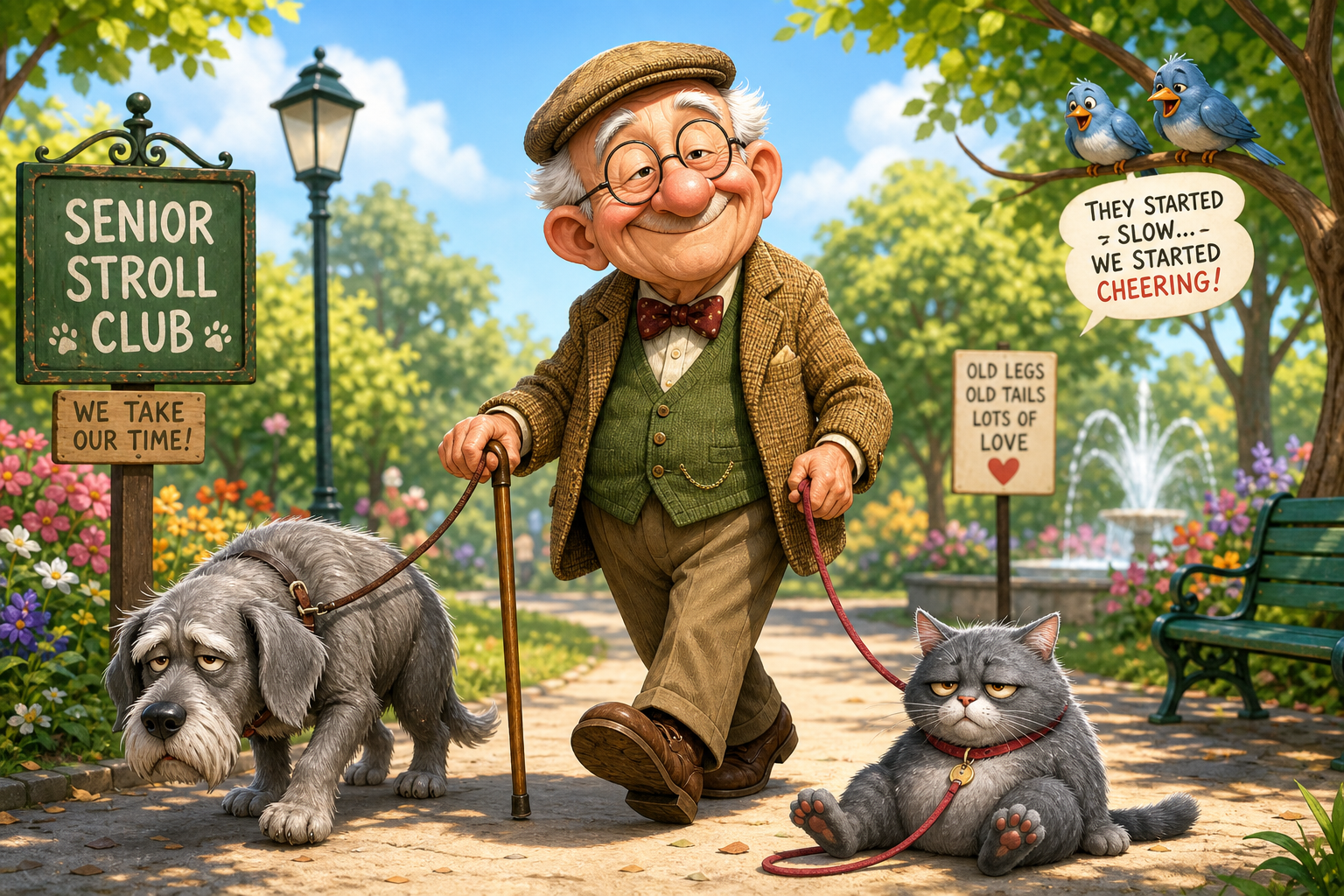
Καθώς τα κατοικίδια μεγαλώνουν, εμφανίζονται φυσιολογικές αλλαγές όπως μειωμένη ενέργεια, δυσκαμψία στις αρθρώσεις και πιθανή αύξηση βάρους. Ωστόσο, η διατήρηση της δραστηριότητας είναι κρίσιμη για την υγεία τους, τόσο σωματικά όσο και ψυχικά.
Η σημασία της ήπιας άσκησης.
Η τακτική, αλλά ήπια άσκηση βοηθά στη διατήρηση της μυϊκής μάζας, στη σωστή λειτουργία των αρθρώσεων και στη διαχείριση του βάρους. Για τους σκύλους, συνιστώνται μικρότερες αλλά συχνότερες βόλτες αντί για έντονη δραστηριότητα. Για τις γάτες, το παιχνίδι με ήπια ερεθίσματα, όπως παιχνίδια που κινούνται αργά, είναι ιδιαίτερα ωφέλιμο.
Προσαρμοσμένη διατροφή.
Οι ηλικιωμένοι οργανισμοί έχουν διαφορετικές διατροφικές ανάγκες. Τροφές με υψηλής ποιότητας πρωτεΐνη, μειωμένα λιπαρά και ενισχυμένες με ω-3 λιπαρά οξέα συμβάλλουν στη διατήρηση της μυϊκής μάζας και στη μείωση των φλεγμονών. Επιπλέον, συμπληρώματα όπως γλυκοζαμίνη και χονδροϊτίνη μπορούν να υποστηρίξουν την υγεία των αρθρώσεων.
Νοητική διέγερση.
Η πνευματική δραστηριότητα είναι εξίσου σημαντική με τη σωματική. Παιχνίδια νοητικής πρόκλησης, εκπαίδευση με απλές εντολές ή ακόμη και αλλαγές στο περιβάλλον μπορούν να κρατήσουν το κατοικίδιο ενεργό και να μειώσουν την πιθανότητα γνωστικής έκπτωσης.
Προσαρμογές στο περιβάλλον.
Μικρές αλλαγές στο σπίτι μπορούν να κάνουν μεγάλη διαφορά. Ράμπες, αντιολισθητικά χαλιά και εύκολη πρόσβαση σε τροφή και νερό βοηθούν στην αποφυγή τραυματισμών και ενθαρρύνουν την κίνηση.
Τακτικός κτηνιατρικός έλεγχος.
Οι προληπτικές εξετάσεις είναι απαραίτητες για την έγκαιρη διάγνωση παθήσεων όπως αρθρίτιδα, καρδιοπάθειες ή ενδοκρινολογικά νοσήματα. Ο κτηνίατρος μπορεί να προσαρμόσει το πρόγραμμα άσκησης και διατροφής ανάλογα με τις ανάγκες του ζώου.
Συμπέρασμα.
Η ενεργή ζωή δεν σταματά με την ηλικία. Με σωστή καθοδήγηση και φροντίδα, τα ηλικιωμένα κατοικίδια μπορούν να απολαμβάνουν μια ποιοτική και δραστήρια καθημερινότητα. Η συνέπεια και η προσαρμογή στις ανάγκες τους είναι το κλειδί για μια υγιή τρίτη ηλικία.