Πώς να κόψεις με ασφάλεια τα νύχια του κατοικιδίου σου
Το κόψιμο των νυχιών είναι μια βασική πράξη φροντίδας για σκύλους και γάτες, που συμβάλλει στην υγεία και την άνεσή τους. Σε αυτό το άρθρο θα μάθεις πώς να το κάνεις σωστά, με ασφάλεια και χωρίς άγχος για το ζώο σου.
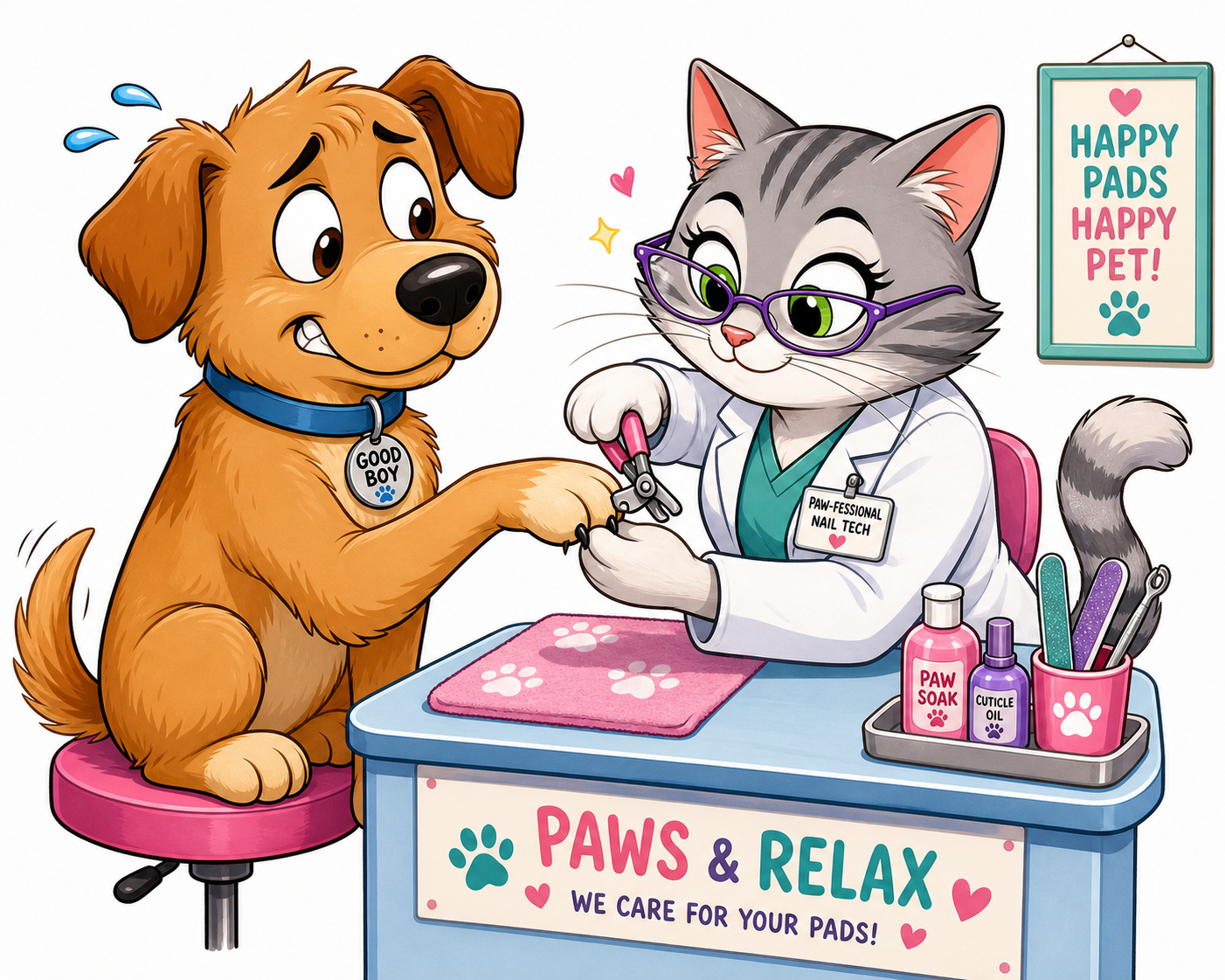
Η σωστή περιποίηση των νυχιών είναι απαραίτητη για την υγεία των κατοικιδίων. Τα υπερβολικά μακριά νύχια μπορεί να προκαλέσουν πόνο, δυσκολία στο περπάτημα ή ακόμη και τραυματισμούς. Παρότι πολλοί ιδιοκτήτες φοβούνται τη διαδικασία, με τη σωστή προσέγγιση μπορεί να γίνει εύκολα και με ασφάλεια.
Γιατί είναι σημαντικό το κόψιμο των νυχιών.
Τα νύχια που δεν κόβονται τακτικά μπορεί να σπάνε ή να εισχωρούν στο δέρμα. Ειδικά στους σκύλους που δεν φθείρουν φυσικά τα νύχια τους με το περπάτημα, η φροντίδα αυτή είναι απαραίτητη. Στις γάτες, τα νύχια μπορεί να γίνουν αιχμηρά και να προκαλέσουν τραυματισμούς ή ζημιές στο σπίτι.
Πότε χρειάζεται κόψιμο.
Ένα βασικό σημάδι είναι όταν ακούς τα νύχια του σκύλου να χτυπούν στο πάτωμα. Συνήθως, το κόψιμο χρειάζεται κάθε 3–4 εβδομάδες, αλλά αυτό εξαρτάται από το ζώο, τη δραστηριότητά του και την επιφάνεια στην οποία κινείται.
Τι εξοπλισμό θα χρειαστείς.
Για τη διαδικασία θα χρειαστείς έναν ειδικό νυχοκόπτη για κατοικίδια (τύπου guillotine ή πένσα) και, ιδανικά, στυπτική σκόνη σε περίπτωση μικρής αιμορραγίας. Απέφυγε τη χρήση ανθρώπινων νυχοκόπτων, καθώς δεν είναι κατάλληλοι.
Πώς να κόψεις τα νύχια βήμα-βήμα.
Ξεκίνα επιλέγοντας μια ήρεμη στιγμή, όταν το ζώο είναι χαλαρό. Κράτησε απαλά το πόδι και εντόπισε το σημείο όπου τελειώνει το αιμοφόρο αγγείο (το λεγόμενο “quick”). Κόψε μόνο την άκρη του νυχιού, αποφεύγοντας το ευαίσθητο αυτό σημείο. Σε ζώα με σκούρα νύχια, όπου δεν φαίνεται εύκολα το αγγείο, κόψε πολύ μικρά τμήματα κάθε φορά. Αν το ζώο δείχνει άγχος, κάνε διαλείμματα και επιβράβευσέ το με λιχουδιές.
Τι να προσέξεις.
Αν κοπεί κατά λάθος το αγγείο και υπάρξει αιμορραγία, χρησιμοποίησε στυπτική σκόνη ή πίεση με γάζα. Εάν δεν αισθάνεσαι σίγουρος, είναι προτιμότερο να απευθυνθείς σε κτηνίατρο ή groomer.
Συμβουλές για καλύτερη εμπειρία.
Η εξοικείωση από μικρή ηλικία βοηθά σημαντικά. Άγγιζε τα πόδια του ζώου συχνά ώστε να συνηθίσει. Διατήρησε ήρεμο τόνο φωνής και μην πιέζεις το ζώο αν αντιδρά έντονα.
Το κόψιμο των νυχιών δεν χρειάζεται να είναι αγχωτική διαδικασία. Με υπομονή και σωστή τεχνική, μπορεί να γίνει μια απλή ρουτίνα φροντίδας που θα συμβάλλει στην ευεξία του κατοικιδίου σου.