Microchip στα κατοικίδια: πώς τοποθετείται και γιατί είναι σημαντικό
Το microchip είναι μια μικρή ηλεκτρονική ταυτότητα που τοποθετείται κάτω από το δέρμα του κατοικιδίου και βοηθά στην άμεση αναγνώρισή του σε περίπτωση απώλειας. Η διαδικασία είναι γρήγορη, ασφαλής και ιδιαίτερα χρήσιμη για σκύλους και γάτες.
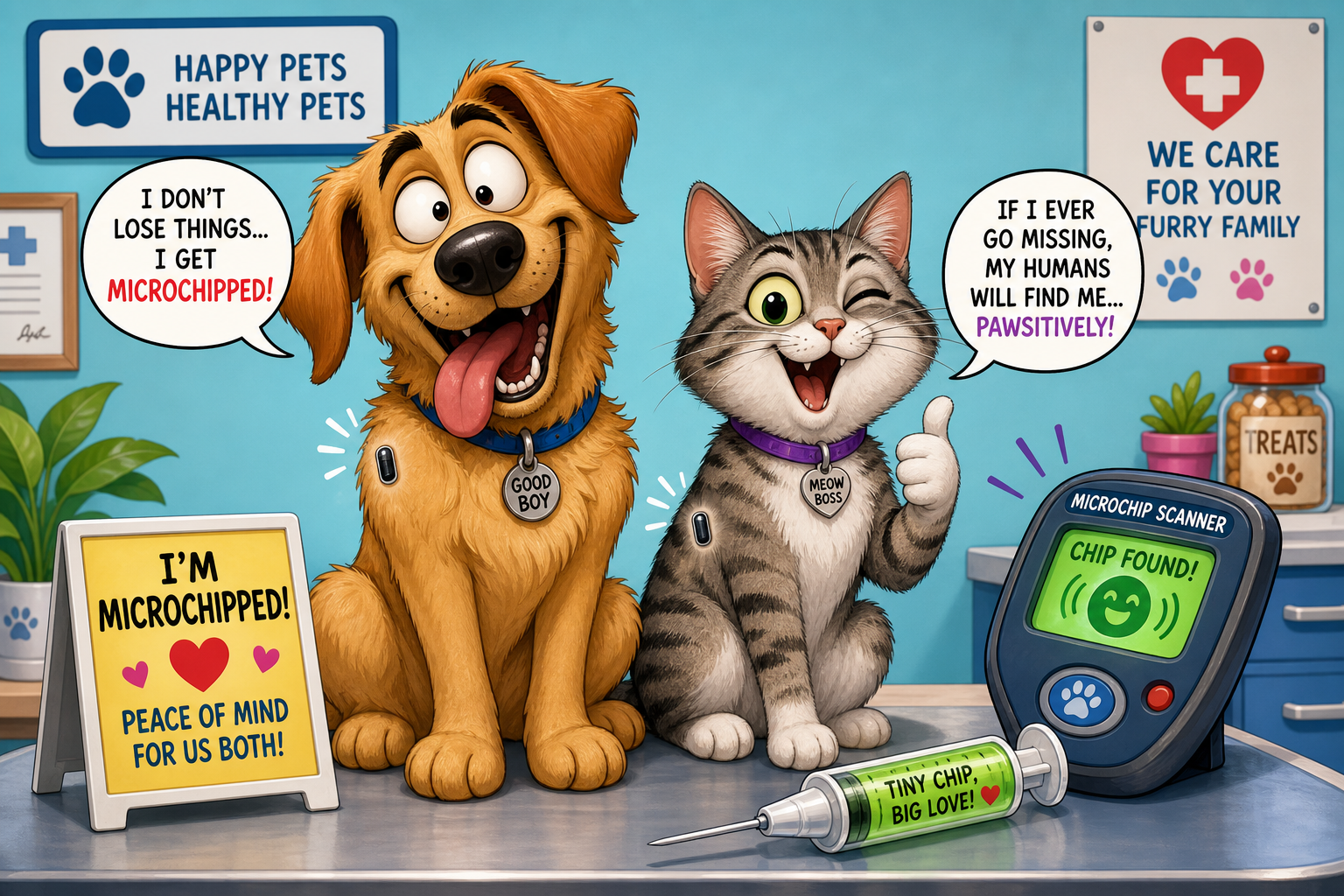
Τι είναι το microchip
Το microchip είναι ένας μικροσκοπικός κωδικός ταυτότητας που εμφυτεύεται υποδόρια. Δεν είναι συσκευή εντοπισμού, αλλά ένας μοναδικός αριθμός που συνδέεται με τα στοιχεία του ιδιοκτήτη σε βάση δεδομένων.
Γιατί χρειάζεται
Το microchip είναι από τα πιο σημαντικά μέτρα προστασίας για ένα κατοικίδιο. Αν χαθεί το ζώο, ο κτηνίατρος, το καταφύγιο ή ο δήμος μπορεί να το σαρώσει και να βρει ποιος είναι ο ιδιοκτήτης του. Επίσης, σε πολλές περιπτώσεις είναι απαραίτητο για την ταυτοποίηση, τη μετακίνηση και τα επίσημα έγγραφα του ζώου.
Πώς τοποθετείται
Η τοποθέτηση γίνεται από κτηνίατρο με ειδική σύριγγα. Το microchip μπαίνει συνήθως κάτω από το δέρμα, στο σημείο ανάμεσα στις ωμοπλάτες. Η διαδικασία διαρκεί λίγα δευτερόλεπτα και μοιάζει με ένα απλό εμβόλιο.
Τι γίνεται μετά
Αμέσως μετά την τοποθέτηση, ο κτηνίατρος ελέγχει με ειδικό σκάνερ ότι το microchip διαβάζεται σωστά. Στη συνέχεια καταχωρείται ο αριθμός του μαζί με τα στοιχεία του ιδιοκτήτη. Αυτό είναι πολύ σημαντικό, γιατί χωρίς σωστή καταχώρηση το microchip δεν μπορεί να βοηθήσει στην επανένωση με το ζώο.
Είναι ασφαλές;
Ναι, θεωρείται γενικά ασφαλές και καλά ανεκτό από τα περισσότερα κατοικίδια. Οι επιπλοκές είναι σπάνιες, ενώ το όφελος από τη μόνιμη ταυτοποίηση είναι πολύ μεγαλύτερο από την προσωρινή ενόχληση της τοποθέτησης.
Χρήσιμες συμβουλές
Φρόντισε τα στοιχεία επικοινωνίας σου να είναι πάντα ενημερωμένα. Έλεγξε αν το microchip διαβάζεται σωστά σε κάθε ετήσιο κτηνιατρικό έλεγχο. Κράτα γραμμένο τον αριθμό του microchip μαζί με τα υπόλοιπα έγγραφα του ζώου.
Συμπέρασμα
Το microchip είναι ένας απλός αλλά πολύ αποτελεσματικός τρόπος προστασίας για τα κατοικίδια. Με μια σύντομη κτηνιατρική πράξη, το ζώο αποκτά μόνιμη ταυτότητα που μπορεί να αποδειχθεί σωτήρια αν χαθεί.