Φροντίδα σκύλου άνω των 10 ετών: Πλήρης οδηγός για υγιή και άνετη τρίτη ηλικία
Οι σκύλοι άνω των 10 ετών εισέρχονται στη λεγόμενη τρίτη ηλικία και οι ανάγκες τους αλλάζουν σημαντικά. Από τη διατροφή μέχρι την άσκηση και την ιατρική παρακολούθηση, η σωστή φροντίδα μπορεί να βελτιώσει αισθητά την ποιότητα ζωής τους και να προλάβει σοβαρά προβλήματα υγείας.
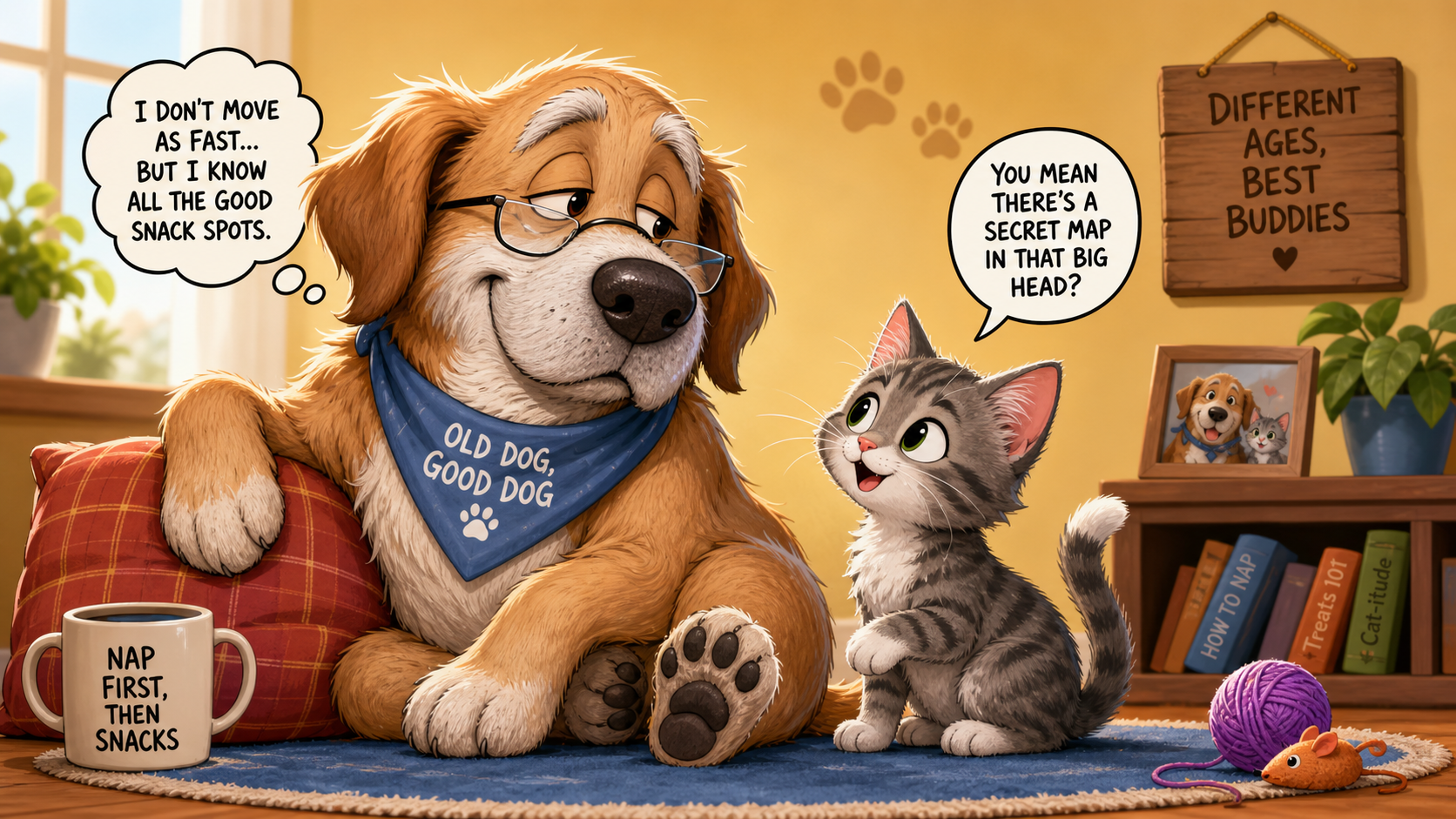
Τι αλλάζει μετά τα 10 χρόνια ζωής.
Καθώς ο σκύλος μεγαλώνει, ο μεταβολισμός του επιβραδύνεται και αυξάνεται η πιθανότητα εμφάνισης χρόνιων νοσημάτων όπως αρθρίτιδα, καρδιοπάθειες και νεφρική ανεπάρκεια. Επίσης, μπορεί να εμφανιστούν αλλαγές στη συμπεριφορά, όπως μειωμένη ενέργεια ή ήπια γνωστική δυσλειτουργία.
Διατροφή προσαρμοσμένη στην ηλικία.
Η σωστή διατροφή είναι βασικός πυλώνας για την υγεία του ηλικιωμένου σκύλου. Επιλέξτε τροφή senior με μειωμένα λιπαρά και υψηλής ποιότητας πρωτεΐνη. Ενισχύστε τη διατροφή με Ω3 λιπαρά για τις αρθρώσεις και τον εγκέφαλο. Προσαρμόστε τις θερμίδες για αποφυγή παχυσαρκίας. Συμβουλευτείτε τον κτηνίατρο για ειδικές δίαιτες σε περιπτώσεις παθολογιών.
Τακτικός κτηνιατρικός έλεγχος
Οι προληπτικές εξετάσεις γίνονται πιο σημαντικές με την ηλικία. Επισκέψεις κάθε 6 μήνες. Αιματολογικός και βιοχημικός έλεγχος. Έλεγχος καρδιάς και νεφρικής λειτουργίας. Οδοντιατρικός έλεγχος. Για παράδειγμα, ένας σκύλος 12 ετών μπορεί να φαίνεται υγιής, αλλά μια απλή εξέταση αίματος μπορεί να αποκαλύψει πρώιμη νεφρική νόσο.
Άσκηση και κινητικότητα.
Η άσκηση παραμένει απαραίτητη, αλλά πρέπει να είναι ήπια και ελεγχόμενη. Σύντομοι και συχνοί περίπατοι. Αποφυγή έντονης καταπόνησης. Χρήση συμπληρωμάτων για αρθρώσεις (π.χ. γλυκοζαμίνη).
Άνεση και καθημερινή φροντίδα.
Η ποιότητα ζωής εξαρτάται σε μεγάλο βαθμό από το περιβάλλον. Μαλακό και ζεστό κρεβάτι. Εύκολη πρόσβαση σε τροφή και νερό. Αποφυγή σκαλοπατιών αν υπάρχει αρθρίτιδα. Τακτική περιποίηση και έλεγχος δέρματος.
Συμπεριφορά και νοητική υγεία.
Ορισμένοι ηλικιωμένοι σκύλοι εμφανίζουν σύγχυση ή αλλαγές στον ύπνο. Διατηρήστε σταθερή ρουτίνα. Παρέχετε ήπια νοητική διέγερση (παιχνίδια, επαφή). Συζητήστε με τον κτηνίατρο αν εμφανιστούν έντονες αλλαγές.
Συμπέρασμα.
Η φροντίδα ενός σκύλου άνω των 10 ετών απαιτεί προσαρμογή, παρατήρηση και συνεργασία με τον κτηνίατρο. Με τη σωστή προσέγγιση, η τρίτη ηλικία του σκύλου μπορεί να είναι άνετη, υγιής και γεμάτη ποιότητα ζωής.